A mother’s story of resourcefulness and hope in Indonesia’s informal waste sector
-

-
The Circulate Initiative
-
May 4, 2026
-
7 min read
The Circulate Initiative
May 4, 2026
7 min read
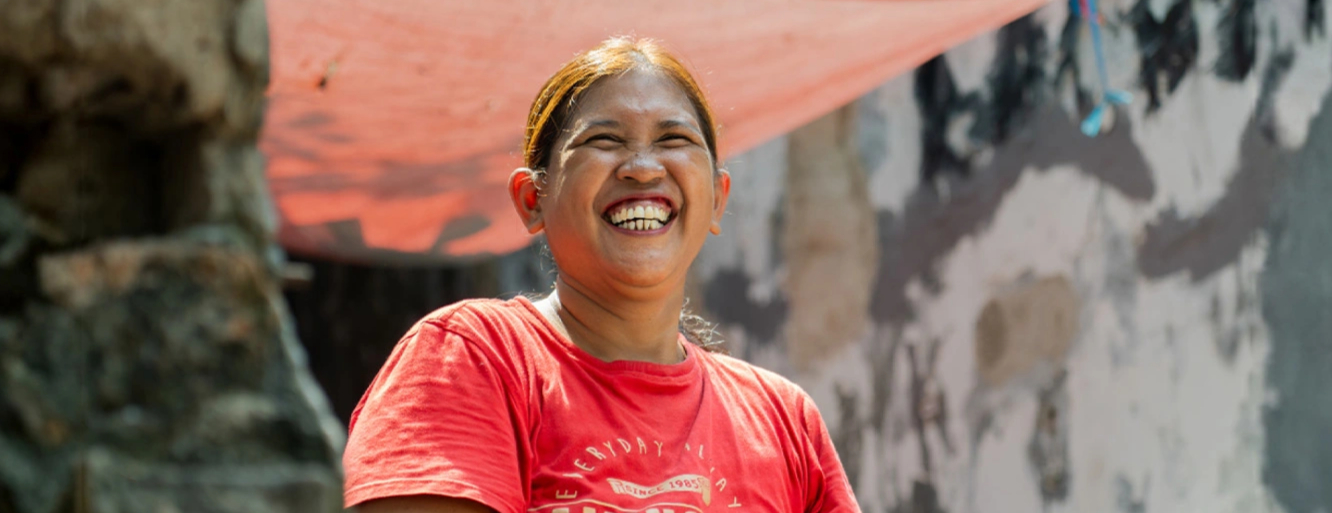
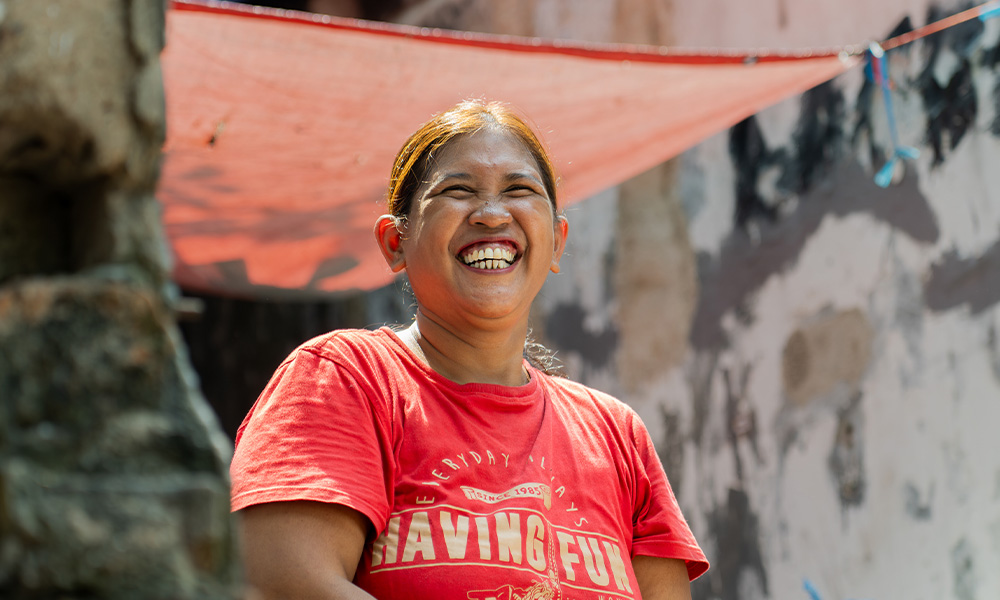
This story of Nuriyah, a waste worker from Indonesia, is the first entry in the blog series, From Challenges to Aspirations: Stories from Waste Workers.
Before dawn breaks in Jakarta, Nuriyah — known affectionately as “Mama Amel” — is already on her feet. The early hours are spent on household tasks: preparing her youngest child for school, tidying the home, and getting the day in order. By the time her husband returns from his waste-collecting shift, she has turned to sorting recyclables, handling each item with the practiced precision of someone who knows that every gram affects the price she receives.
Their income depends on persistence, daily routes, and trusted relationships across the neighborhood — amounting to roughly IDR 90,000 (just over US$ 5) a day to support their family.
In emerging markets like Indonesia, informal waste workers like Nuriyah earn a living by sorting recyclable materials, keeping them in circulation and out of landfills, and, in doing so, play a vital role in addressing the environmental challenge of plastic waste. Their labor and knowledge of the waste collection landscape, however, remain largely invisible.
We spoke with Nuriyah to hear directly from her about how she entered this work, what her daily routine looks like, and what she hopes for her family’s future.
This conversation was conducted in Bahasa Indonesia and has been translated and lightly edited for clarity.
How did your journey in waste picking begin?
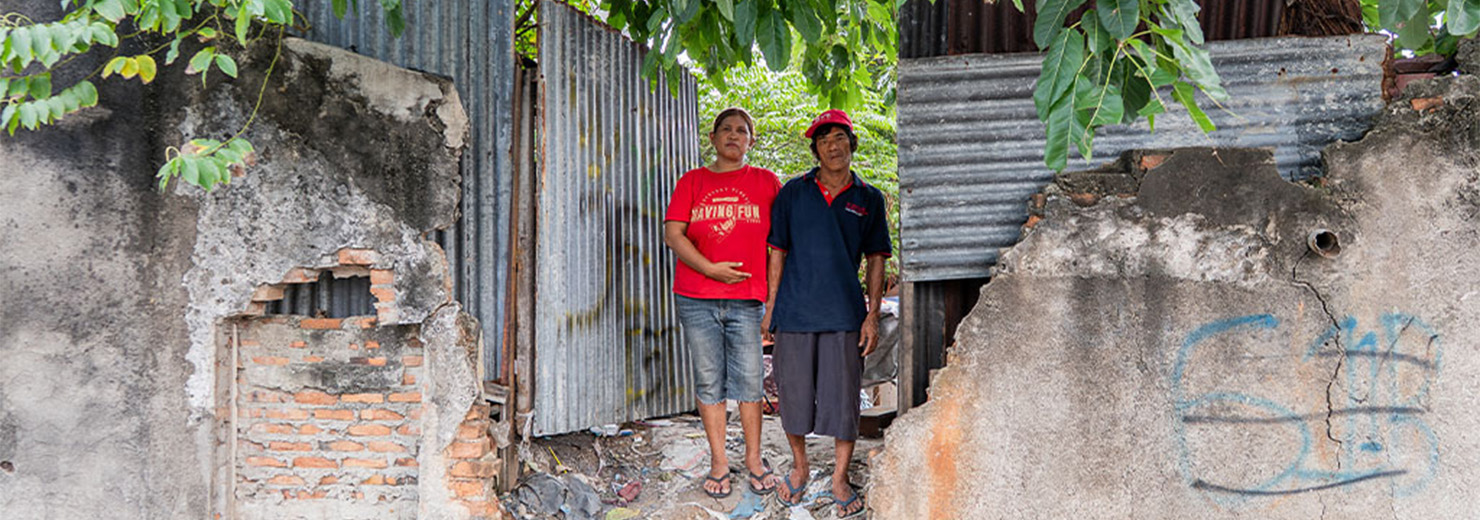
I’m originally from Pemalang, a small village about 300 km from Jakarta. After elementary school, I worked as a farm laborer, but the pay was too low to support my children’s education. In 2010, my husband and I moved to Jakarta with our three children and only IDR 10,000 (less than US$ 1) with us.
I had heard from people in my community that earning in Jakarta was very easy, but the reality is totally different from what we expected. I planned to find work as a house assistant, while my husband was hoping that he could work as a chef, but without ID cards¹, it was not possible. We turned to waste picking, because it was the only way we could care for our family.
Can you tell us a bit about your family?
There are six of us living together: my husband, me, our three children and daughter in law. My husband collects recyclables, and I sort them. Our eldest son, Willy, is married now and sometimes helps his father or nearby junkshops. My second child, Vallen, is enrolled in Paket B, an alternative education program for Indonesian children who missed formal schooling. My youngest, Amel, is in kindergarten.
We all share responsibilities at home, but the sorting of recyclables — that is mine to do.
What does your typical workday look like?
My husband collects recyclables through the night. He usually starts in the afternoon, goes out again after dark, and returns around dawn. His waste-picking route usually takes about two and a half hours — he already has a regular area and regular bins where he collects recyclables. If someone else tries to take from there, the locals usually remind them.
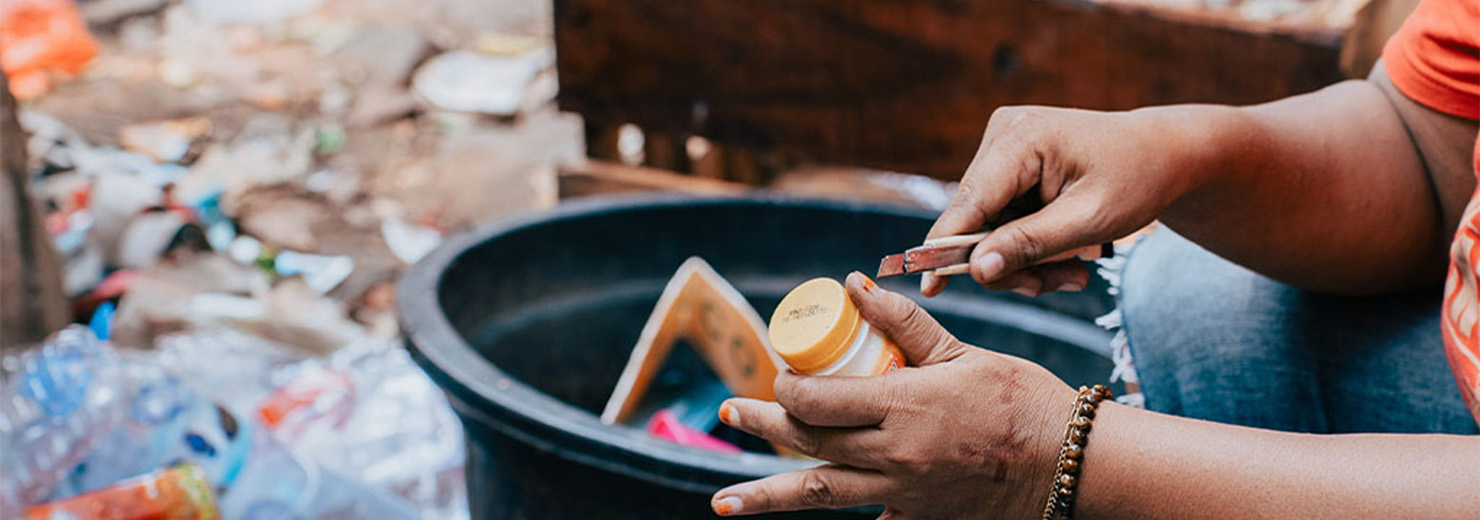
After preparing my youngest for school, I begin sorting everything he has gathered. I separate plastic bottles, drink cans, used milk cans, cardboard, bottle caps, and other small items, and then we pack everything tightly for selling to nearby junkshops.
I used to collect waste with my husband too, travelling far with a cart, but after experiencing a pinched nerve from heavy lifting, I had to stop. I am able to walk further again now, but I no longer lift heavy weights, so I focus on sorting and home responsibilities.
What knowledge or practices have helped you become effective in this work?
I have learned how to protect materials so they hold their value. During the rainy season, cardboard must be covered first. If it gets wet, junkshops may reject it. Sometimes we collect ten kilograms but only sell five.
Back when I just started working as a waste picker, I also didn’t really know other people’s areas, and conflicts often arise when there is competition within the waste-picking area. Usually, the more experienced pickers are the ones in control, and when new people come, they have to step aside.
Now we know which locations to visit and which junkshops offer the best prices. For plastic bottles and similar items, I usually bring them to the regular junkshops nearby, but for metals — like copper or aluminum — I take them to a different junkshop where the price is usually higher.
That knowledge helps us work more efficiently.
What challenges have you experienced in your work?
One of the hardest moments was when our cart was stolen. It allowed us to collect more, and my children could sit in it when they were younger. After losing it, we had to work with sacks, which is much more tiring and limits what we can carry.
The price fluctuation is also challenging — suddenly, prices can drop drastically, and we don’t even know why. The work stays the same, but the income is much less. When this happens, it can feel hopeless. As a wife, it is my duty to manage our family’s finances, so I pick up small jobs to earn extra cash.
There have also been times when we were told to move or were questioned by officers. This has left me feeling afraid of government officials and security guards.
What are you proud of in your work?
I am proud that through this work, we have been able to keep our children in school. As parents, we want our children to succeed and live with dignity. Even on difficult days, we never return home with nothing. There is always something to bring back, even if small. That gives me strength.
What support has made a real difference for your family?
Mahija Foundation has helped with my children’s schooling and supported my husband in trying to obtain an ID card. Having proper identity documents can provide better opportunities. I am grateful that there are organizations and people who care about families like ours.
What changes would you like to see for waste pickers in the future?
I hope to see a waste picker association in Tanah Tinggi. It would help solve disputes fairly and give us a voice. I would be willing to help build and lead it. I also hope the government pays more attention to families like ours, who live near streets and along the railway. People who are well off do not feel these struggles. For us, even buying basic items requires careful thought. My hope is that our work will become easier and our daily burdens lighter.
Listening to lived experience
Conversations like this with Nuriyah help inform approaches that strengthen fairness, dignity, and inclusion within the recycling system. Her story mirrors the experiences of thousands of workers across Indonesia who keep the early stages of recycling moving. Their skill and daily labor contribute to building ethical and resilient circular economies.
The Responsible Sourcing Initiative project in Indonesia centers on the implementation of responsible sourcing practices and improving the livelihoods of informal waste sector workers in the value chain of its recycling partner, PT Amandina Bumi Nusantara.
Endnote
¹ In Indonesia, an ID card (KTP) is required to access essential services, including housing, national healthcare, employment, relocation, and intercity travel. As ID cards are issued and administratively tied to a specific place of registration, individuals are generally only able to access public services and social protections within the jurisdiction where their ID was registered.