Unlocking Private Capital for African Plastics Circularity: An Investment Landscape of Five African Nations
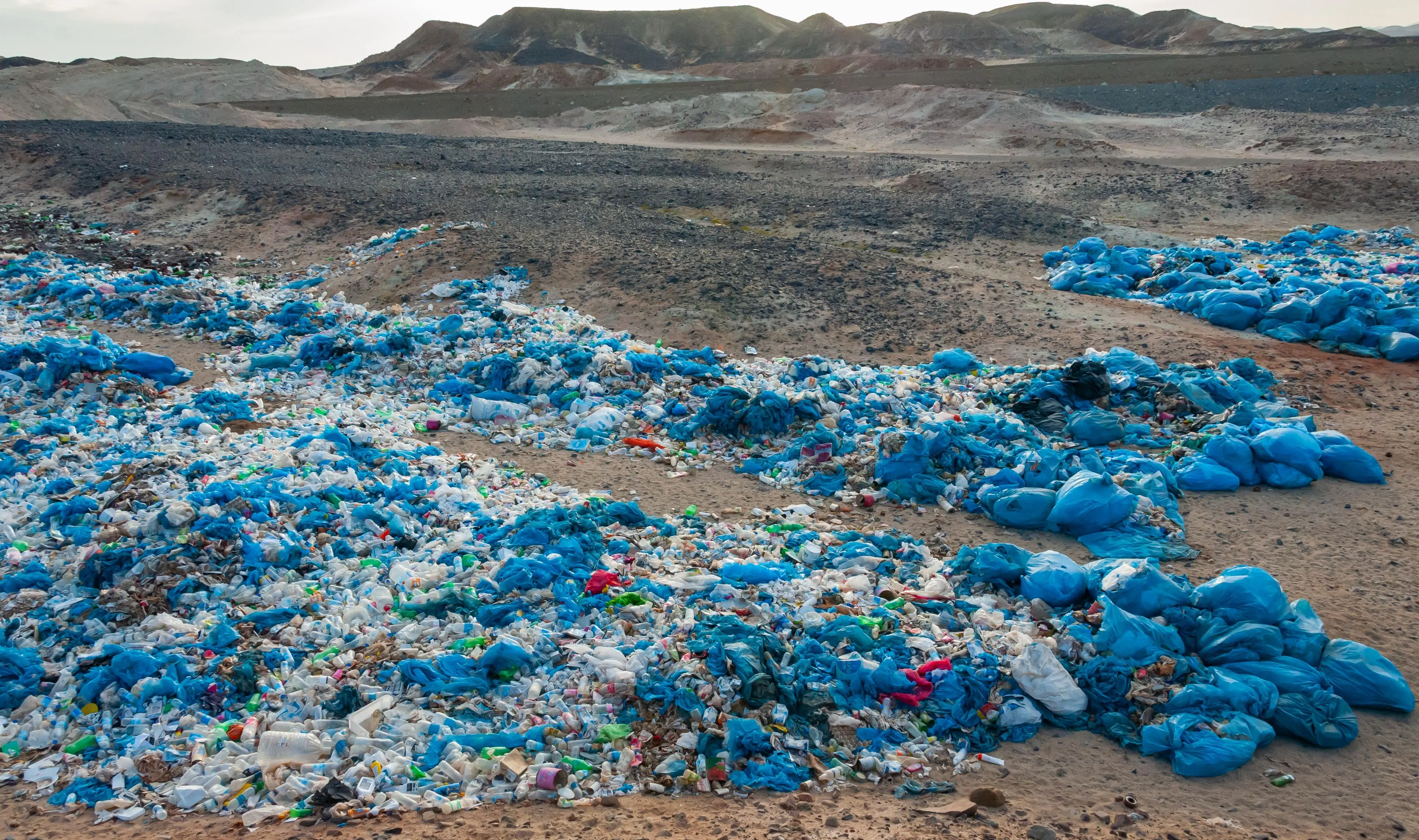
Africa stands at a critical juncture in the global fight against plastic pollution. Plastic consumption across Sub-Saharan Africa is projected to increase sixfold by 2060, yet up to 90% of plastic waste across the continent remains mismanaged. Despite the scale of the challenge, Africa received just 0.2% of global private investment in plastics circularity solutions.
Closing this investment gap is urgent, as delaying intervention will lead to significantly higher environmental and human health costs. Africa’s strategic proximity to Europe also presents an opportunity to supply high-quality recycled feedstock. If navigated successfully, Africa could mirror the transition seen in Asia, where catalytic finance played a role in turning an imminent waste crisis into a bankable industry.
In this research report, The Circulate Initiative assesses the investment landscape for plastics circularity across five African countries: Algeria, Egypt, Kenya, Nigeria, and South Africa. The report examines the state of plastic waste management, regulatory frameworks, market dynamics, and public and private financing to identify critical funding gaps and opportunities for solutions to plastic pollution.
Key takeaways from the report include:
- Successful solutions to plastics circularity exist in each of the five target countries. Examples include an integrated waste management project in Algeria, food-grade rPET recycling facilities in Egypt, Kenya, and Nigeria, and a waste management company in South Africa. These projects and companies are backed by private capital, demonstrating that commercial success is possible.
- Structural barriers continue to constrain investment. Underfunded municipal collection systems, nascent EPR regulations, unreliable power grids, working capital challenges, and high foreign exchange volatility are common challenges that undermine the bankability of recycling markets.
- To help improve investment, catalytic finance can absorb risks that institutional investors are less equipped to take on: deploying grants and technical assistance for early-stage collectors and aggregators, low-interest concessional loans for mid-size recyclers, and growth equity with long-term off-take agreements for large-scale recycling facilities and conversion.
- Targeted, high-impact interventions can de-risk and unlock future investments. Examples include decentralized collection hubs, facility equipment and energy system upgrades, support for informal waste pickers, low-interest concessional loans for working capital, and technical assistance grants to streamline permits.

Read Report
*By clicking the "Download" button, you are agreeing to The Circulate Initiative’s Terms of Use and Privacy Policy.