Bridging the Archipelago: Navigating Plastics Recycling in Indonesia
-

-
Matthew Fraser
-
June 22, 2026
-
7 min read
Matthew Fraser
June 22, 2026
7 min read
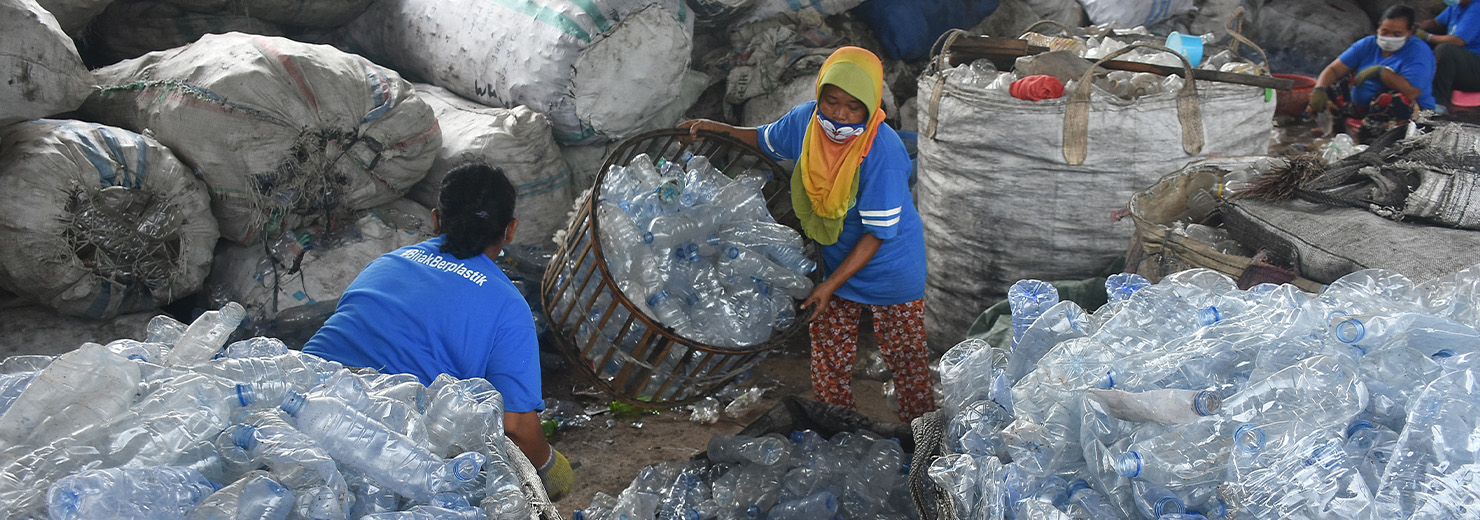
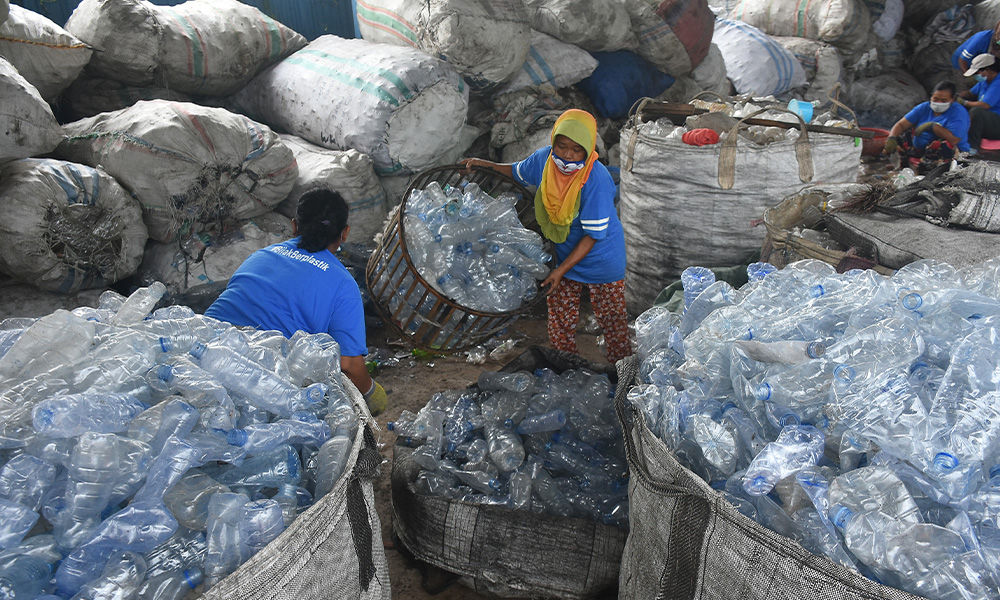
As part of The Circulate Initiative’s work on the Lift Collaborative, I recently traveled to Indonesia to get an on-the-ground look at the country’s plastics recycling ecosystem. Walking through the vibrant, buzzing streets, I was immediately struck by a profound paradox: a young, tech-savvy, and dynamic society colliding head-on with a fragmented, analog approach to managing plastic waste.
From conversations with a variety of key actors in the plastics recycling sector, it’s clear that there is an immense opportunity waiting to be unlocked. However, for the recycling industry to survive what comes next, the rules of engagement must change. Here is what I learned.
Indonesia is a country moving at breakneck speed. It boasts a median age of around 301 – a stark contrast to the aging demographics of the West. Indonesians have some of the highest mobile adoption rates, there are apps for everything, and I found that most people are eager to converse in English. There is an energetic buzz of optimism throughout the cities. Yet, step off the main thoroughfares, and you encounter a stark contrast. It is common to see gray plumes of smoke rising from neighborhoods – the unmistakable sign of open trash burning, which I did not expect to see so frequently.
Source segregation of waste in Indonesia is virtually nonexistent. Even when the occasional public bin is available and features separate slots for paper, plastic, and organic waste, a peek inside reveals a single collection bag underneath. While the government has rolled out small-scale material recovery centers (so-called TPS3R stations), many sit padlocked, operating only a few days a week. Instead, the heavy lifting of plastic collection and sorting is almost entirely done by the informal sector.
The Recycler’s Dilemma
With an imminent presidential decree to make extended producer responsibility (EPR) mandatory, and with higher virgin resin prices due to the war in Iran, I expected to hear enthusiastic stories about plastic recycling in Indonesia. However, in speaking with several local recyclers, the mood was much more complex – a mix of temporary relief and deep anxiety about the future. While recyclers are benefiting from favorable prices since the war began, they know they are living on borrowed time.
The recyclers I spoke with vividly remember the brutal years following the COVID-19 pandemic, when virgin resin prices plummeted to historic lows, undercutting recycled materials so severely that many processors went bankrupt, and those that survived barely hung on. They feel caught between three immovable forces:
- The looming price drop: The current boom in demand for post-consumer waste will vanish the moment global shipping bottlenecks resolve, and there is fear that a large ramp-up in virgin plastic production capacity will flood cheap virgin plastics back into the market, potentially at even lower prices than before the war.
- The domestic sourcing squeeze: On paper, the Indonesian government’s strict ban on importing plastic scrap is a major win. However, in practice, it has created an immediate supply squeeze, forcing recyclers to rely entirely on an informal and underdeveloped domestic collection network.
- The EPR enforcement gap: While the mandatory EPR decree marks a major policy milestone, the timeline for structural enforcement remains uncertain. Given the scale of Indonesia’s informal waste sector, establishing the necessary monitoring frameworks and institutional capacity will realistically require a transition phase of at least three years before uniform enforcement takes hold.
Because Indonesia is an archipelago of five major islands and thousands of smaller ones, collecting, sorting, and processing plastic waste is a logistical nightmare. Moving contaminated, low-value plastic waste across oceans to central recycling hubs incurs crippling shipping costs. Combined with a highly fragmented network of speculative middlemen who mark up prices at every transfer point, it is a near-impossible task for a recycler to secure a clean, steady stream of feedstock and remain profitable.
Despite these challenges, there are a number of successful community-oriented initiatives in Indonesia, for example Reciki, Waste4Change, Prevented Ocean Plastic Southeast Asia (POPSEA), and Project STOP, to name a few. However, these initiatives largely operate in silos and lack the economies of scale required to reduce supply chain costs and generate the sustained margins that plastics recyclers need.
Navigating the Deadlock: The Post-War Survival Guide
To survive the inevitable post-war market correction, the Indonesian recycling sector cannot rely on business as usual. To build a buffer resilient enough to withstand the coming price shock, there are four systemic, interconnected challenges that the Indonesian waste ecosystem must solve:
1. Overcoming the High-Cost, Fragmented Infrastructure Trap
The current model of highly localized, single-material collection initiatives operating in silos is economically unviable in Indonesia’s challenging geography. Moving contaminated waste across multiple islands to central hubs incurs crippling shipping costs. The industry’s survival depends on whether competing recyclers can move past fragmented operations and build cooperative, multi-material regional sorting hubs. Without pooling resources to capture massive economies of scale across all plastic types simultaneously, individual operators will never achieve the resilient margins needed to survive a virgin price drop.
2. Addressing the Middlemen and Informal Recycling Network
The domestic supply chain is currently choked by a multi-layered network of speculative middlemen and unregulated informal processors. Aggregators are known to routinely disrupt the market by hoarding material to artificially inflate prices, while destroying the feedstock traceability required for upcoming EPR compliance. Many informal recyclers operate without environmental permits, dumping toxic wastewater directly into local waterways. Securing a clean, steady, and financially viable stream of feedstock cannot be achieved by businesses simply trying to bypass these networks. It requires the government to stringently enforce its environmental laws, cracking down on illegal processors to clear the way for direct, transparent, and regulated supply chains.
3. Formalizing and Protecting the Informal Frontline
Trying to replace Indonesia’s two million informal waste pickers with automated, Western-style municipal infrastructure is a logistical and financial impossibility; they are the collection infrastructure. The pragmatic path forward is not to replace them, but to look at how we might institutionalize their collective economic power through cooperative models. By organizing informal workers into registered, localized cooperatives, the recycling industry could bypass predatory middlemen and contract directly with a unified workforce. These cooperatives could grant waste workers the collective bargaining power needed to secure fair, transparent pricing and pooled resources for safer equipment. This is also a benefit to formal recyclers, as it gives them a legally traceable stream of feedstock directly from the source.
4. Transforming Household Segregation from an Environmental Ideal into an Economic Driver
While optimizing supply chains stabilizes processing, the material entering recycling facilities remains heavily contaminated. Because widespread household source segregation is limited, recyclers inherit an enormous financial burden in manual sorting costs and low material yields. However, Indonesia possesses blueprints for localized sorting. Scaling the country’s decentralized Waste Bank model incentivizes families by turning clean, separated plastics into household financial assets. Furthermore, regional initiatives like Bali’s recent mandate banning unsegregated organic waste from landfills prove that clear local regulations, combined with basic infrastructure, can drive household compliance above 80% in a matter of weeks. Replicating these structured, incentive-driven models nationwide is an economic necessity to lower processing costs and secure high-yield feedstock.
The Path Forward
Indonesia is standing at a historic crossroads. The raw energy, youth, and digital ambition of its people are unmatched, but its waste crisis remains a fundamental design flaw.
While the current favorable macroeconomic conditions may normalize over time, they offer a unique window for the Indonesian recycling industry to strengthen its foundation. Transitioning toward more formalized supply chains, fostering uniform compliance across the sector, and supporting the informal workforce could help safeguard the industry against future market fluctuations. Taking steps to collaborate and build these frameworks today will ensure the sector is well-positioned for sustainable, long-term growth.
Reference
- Ritchie, H. (2023). Indonesia Country Profile – Population and Demography. Our World in Data [online]. Available from: https://ourworldindata.org/profile/population-demography/indonesia