It’s All About End Markets
-

-
Michael Sadowski
-
March 27, 2026
-
5 min read
Michael Sadowski
March 27, 2026
5 min read
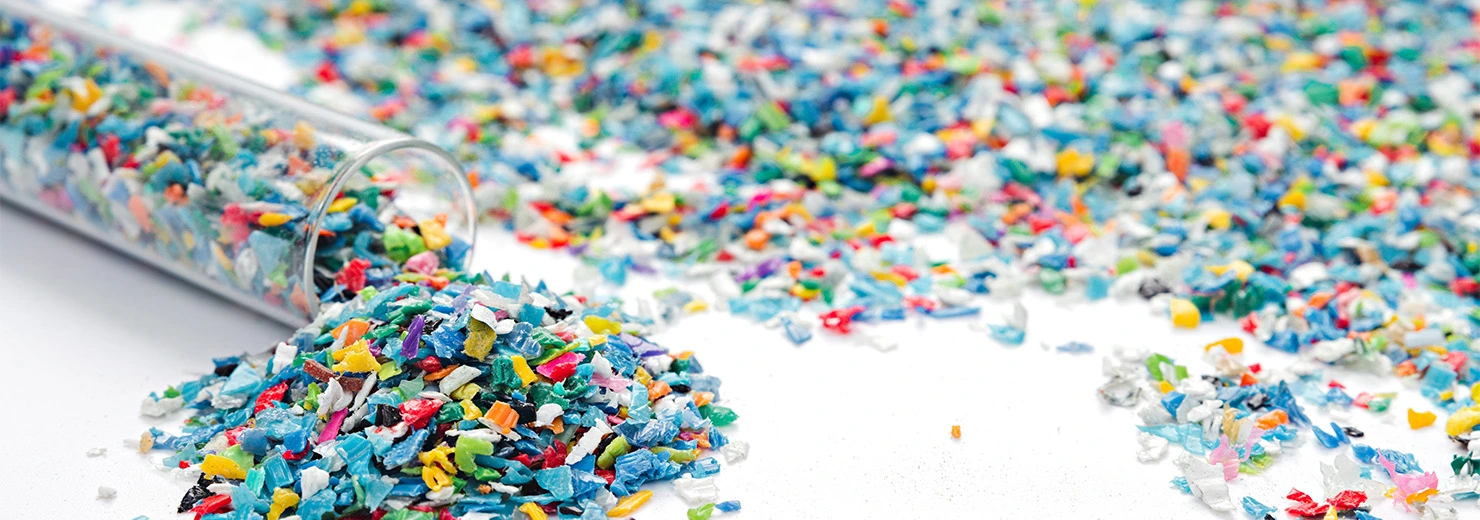

On February 12, The Recycling Partnership (TRP) hosted a webinar on the state of polyethylene terephthalate (PET) recycling in the United States. While TRP touted the success of recycling – 2 billion pounds of PET bottles are recycled in the US annually – the overarching message was that domestic PET recycling is in a dire situation due to several factors including the low cost of virgin resin compared with recycled resin, and cheap imports of recycled feedstock. TRP noted that over the last 12 to 18 months, 25% of domestic PET recycling capacity has been shuttered. This trend is not specific to the US, for example Europe is experiencing a similar crisis, exacerbated by high energy costs.
The state of US recycling was front and center two weeks later at the Plastics Recycling Conference (PRC) in California. On the Wednesday of the conference, news broke that Evergreen Recycling, one of the largest PET recyclers in the US, was closing two facilities. In a panel discussion, Kate Davenport of TRP called the current market situation an existential crisis, warning that we could soon see headlines of municipalities and material recovery facilities landfilling bales of PET bottles due to a lack of demand. Such a scenario could further erode citizens’ trust in recycling as a solution to plastic waste.
EPR Is Not Enough – We Need to Boost Demand
In recent years, we have seen growing momentum around extended producer responsibility (EPR) policies that charge packaging producers and users fees that go to fund collection of plastic and other materials for recycling. In the US, seven states have enacted EPR for packaging, with EPR in two states – Oregon and Colorado – now operational. EPR has been enacted in a number of emerging markets (the geographic focus of The Circulate Initiative’s work), for example India, the Philippines, and Viet Nam. Yet, as several speakers noted at the PRC conference, EPR is a supply-side mechanism that funds the collection of plastic waste – we need demand-side interventions such as recycled content mandates and tax incentives to drive greater demand. One example offered is California’s EPR law, in which the use of post-consumer recycled content contributes to the source-reduction requirement (up to 8% of the 25% source reduction requirement by 2032 can come from recycled content). India requires 30% recycled content in rigid plastic packaging (increasing to 60% in the coming years), while Europe requires all plastic packaging to have recycled content by 2030, for example PET bottles must have 30% recycled content.
While these demand-side policies are a welcome development, we need more of them globally, and they need to be enforced – otherwise there will be loads of plastic that go to waste.
Options for Boosting Demand for Recycled Content
Over the last several months, The Circulate Initiative has been exploring the potential for advance market commitments (AMCs) to bridge the gap between demand and supply of recycled plastic (see this blog for an overview of the topic). An assumption in our research is that voluntary commitments to source recycled resin face limits, especially in an environment in which recycled resin costs considerably more than virgin. Despite the current spike in virgin pricing due to the war in the Middle East, the forecast is for virgin pricing to be low given the significant production capacity that has been brought online in recent years, especially in China. While much has been made of brands “back tracking” on their commitments to purchase recycled resin, asking procurement teams to pay considerably more for recycled content for a sustained period of time is a challenging case to make.
From our research, we see innovative efforts to bundle demand for recycled and alternative materials. For example, Samsara Eco and the European Outdoor Group have created the Nylon Materials Collective, a collaborative effort amongst brands and suppliers to accelerate the development and deployment of textile-to-textile recycled nylon. Circ’s Fiber Club has a similar approach. We are investigating the potential of “book and claim” approaches, such as those developed by The Center for Green Market Activation (GMA), though recycled plastic differs from the topics addressed by GMA in that buyers need physical content – not an offset or credit that allows them to make claims. We see the potential for AMCs to address plastic materials and formats for which recycling is not yet commercial (or mature) and require more research and development and investment, for example flexible packaging, film, and textiles. Yet this needs further exploration.
This takes me back to policy. Across our 30 plus interviews on AMCs, we heard consistently that the most “straight forward” way to increase demand for recycled content is through recycled content mandates, such as in India, Europe, and California. “Straight forward” does not mean easy – indeed, even if legislators can agree on policy, such policy needs to drive the right behavior and be enforced. At the PRC conference, I heard from some India-based recyclers that some companies were skirting the recycled content mandate by paying a fine – which is more economic than paying the premium for recycled content. Presumably, policy makers will learn and address such loopholes. One intriguing approach is being rolled out in France, whereby producers which incorporate locally-produced recycled resin in their products will receive a premium. This should help address the growing volume of imported recycled resin.
Ultimately, closing the demand / supply gap will require a two-pronged attack: robust recycled content mandates to set the floor, especially for more mature resins such as PET, and innovative market mechanisms such as AMCs to raise the ceiling and address more complex materials. By harmonizing policy with collective action and investment, we can bridge the current pricing gap and turn an existential crisis into an enduring market for recycled materials.